What Is Colposcopy and When Is It Performed?
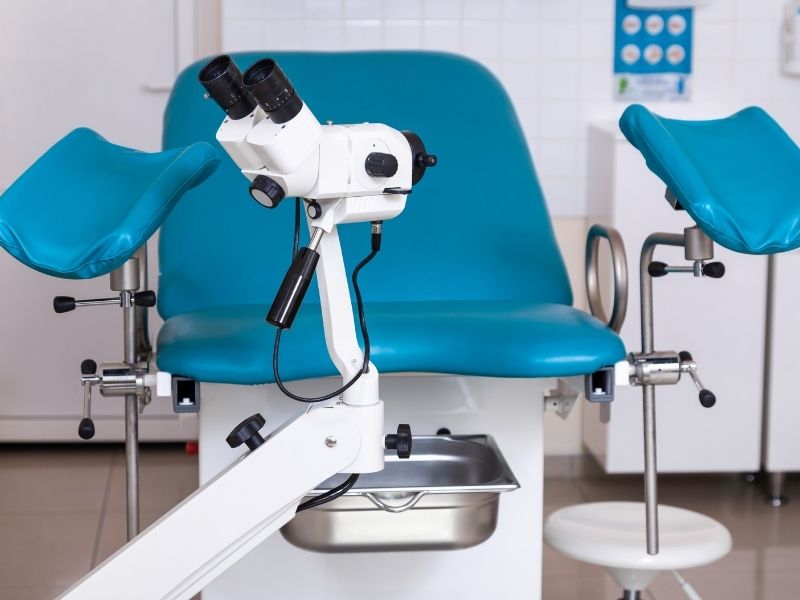
Colposcopy is a special gynecological examination method that allows the cervix to be evaluated in more detail. It is usually performed when a smear test, HPV test, or gynecological examination shows a finding that requires further assessment.
During this procedure, the cervix is examined using a lighted magnifying device. The aim is to evaluate cellular changes in the cervix more clearly and, when necessary, take a tissue sample through biopsy.
Colposcopy is mostly used to clarify findings and determine the most appropriate follow-up plan.
What Is Colposcopy?
Colposcopy is the examination of the cervix, vagina, and vulva using a magnifying device called a colposcope. The colposcope does not enter the body; it provides an external magnified view during the examination.
This procedure helps evaluate cellular changes that may be difficult to see with the naked eye. It may be recommended especially when suspicious findings are detected in smear or HPV test results.
Colposcopy is not a treatment procedure by itself. It is mainly a diagnostic evaluation method.
Why Is Colposcopy Performed?
Colposcopy is performed when abnormal cellular changes are suspected in the cervix. Abnormal smear results, HPV positivity, or an unusual appearance of the cervix during examination may lead to a recommendation for colposcopy.
Some cervical changes may not cause symptoms in the early stages. Therefore, findings detected during screening tests should not be ignored. Colposcopy helps evaluate these findings in more detail.
In Which Situations Is Colposcopy Performed?
Colposcopy is not a routine procedure performed at every gynecological examination. It is usually recommended by a physician after specific findings or test results.
Colposcopy may be performed in the following situations:
When abnormal cellular changes are found in a smear test
When the HPV test is positive
When a suspicious appearance is noticed on the cervix
In repeated abnormal smear results
When further evaluation is needed during cervical cancer screening
In complaints such as bleeding after sexual intercourse
For lesions in the vagina or vulva that require detailed examination
An abnormal smear or HPV result does not always mean cancer. These results may indicate cellular changes in the cervix that need follow-up. Colposcopy helps determine the degree of these changes.
How Is Colposcopy Performed?
Colposcopy is a short procedure performed in the gynecological examination position. First, a speculum is placed so that the cervix can be seen. Then the cervix is examined in detail using the colposcope.
During the examination, special solutions may be applied to the cervix. These solutions help distinguish normal tissue from abnormal areas more clearly. If a suspicious area is seen, the physician may take a small tissue sample, called a biopsy.
A biopsy is not required in every colposcopy. This decision is made according to the findings seen during the procedure.
Is Colposcopy Painful?
Colposcopy is generally not considered a painful procedure. A feeling similar to a gynecological examination, such as mild pressure or discomfort, may be experienced.
If a biopsy is taken, there may be brief cramping, stinging, or light bleeding. These effects are usually short-term. Post-procedure instructions are provided by the physician according to the individual situation.
What Should Be Considered Before Colposcopy?
It is important to follow the physician’s recommendations before colposcopy. For a more accurate evaluation, the procedure is generally not preferred during heavy menstrual bleeding.
If vaginal medication, cream, or suppositories are being used, the physician should be informed. Active infection, heavy discharge, itching, or bleeding should also be mentioned before the procedure.
Bringing previous smear, HPV, or biopsy results may help the evaluation process.
What Should Be Considered After Colposcopy?
Daily life can usually be resumed shortly after colposcopy. If only observation was performed, special restrictions are generally not needed. However, if a biopsy was taken, mild spotting or pelvic discomfort may occur.
After biopsy, light bleeding, discharge, or mild cramps may be seen for a few days. If heavy bleeding, foul-smelling discharge, fever, or severe pain occurs, a physician should be consulted.
Recommendations about sexual intercourse, tampon use, or vaginal products may vary depending on whether a biopsy was taken. Therefore, the physician’s post-procedure instructions should be followed.
What Does a Colposcopy Result Mean?
A colposcopy result helps determine whether there is an abnormal area on the cervix. If a biopsy was taken, the final evaluation is made according to the pathology result.
The results may be normal, may show mild cellular changes, or may include findings that require closer follow-up. Not every abnormal result means cancer. Some cellular changes may only require monitoring, while others may require additional procedures or treatment.
For this reason, colposcopy results should be evaluated together with smear, HPV, biopsy, and examination findings.
Should Colposcopy Be Neglected?
No. If colposcopy has been recommended by a physician, it should not be delayed. Some changes detected in smear or HPV test results may progress without causing symptoms.
Colposcopy allows the cervix to be examined in detail and helps determine the correct follow-up plan. Early evaluation is important in reducing possible future risks.
Frequently Asked Questions
Why is colposcopy requested?
Colposcopy is usually requested in cases of abnormal smear results, HPV positivity, or a suspicious appearance of the cervix.
Does colposcopy diagnose cancer?
Colposcopy allows detailed examination of the cervix. If a definitive diagnosis is needed, a biopsy is taken and evaluated by pathology.
Is biopsy taken during colposcopy?
Not always. If the physician sees a suspicious area during the procedure, a biopsy may be taken.
Is colposcopy painful?
It is generally not painful. If a biopsy is taken, brief cramping, stinging, or light bleeding may occur.
Can colposcopy be done during menstruation?
It is generally not preferred during heavy menstrual bleeding. A time without bleeding may be planned for better evaluation.
Does every HPV-positive result require colposcopy?
Not every HPV-positive result requires colposcopy. The HPV type, smear result, age, and individual risk factors are evaluated together before making a decision.