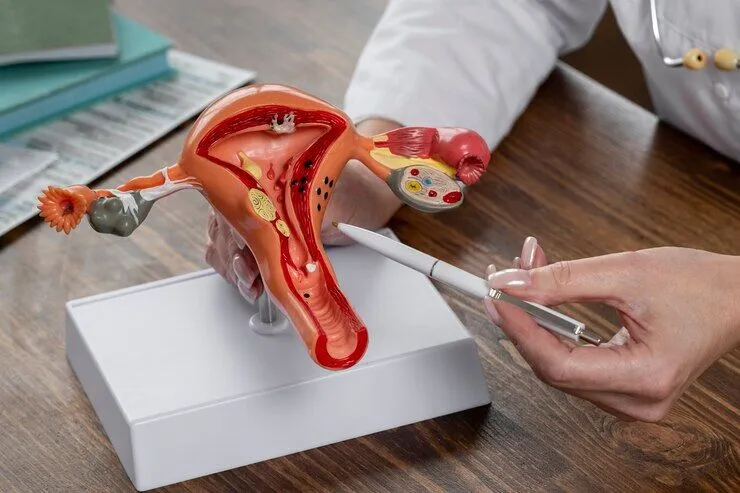
What Is a Cervical Biopsy and When Is It Performed?
A cervical biopsy is a procedure in which a small tissue sample is taken from the cervix and examined in a laboratory. It is usually performed when a smear test, HPV test, or colposcopy shows a finding that requires further evaluation.
This procedure helps clarify the nature of cellular changes in the cervix. While smear and HPV tests are used for screening, a cervical biopsy allows a more detailed evaluation by examining tissue taken from suspicious areas.
What Is a Cervical Biopsy?
A cervical biopsy is the removal of a small piece of tissue from the cervix for examination in a pathology laboratory. This helps determine whether cervical changes are benign, infection-related, HPV-related, or require closer follow-up.
A cervical biopsy is often performed during colposcopy. During colposcopy, the cervix is examined under magnification, and if a suspicious area is seen, a tissue sample may be taken from that area.
Why Is a Cervical Biopsy Performed?
A cervical biopsy is performed when abnormal cellular changes are suspected in the cervix. A smear test or HPV test may indicate certain risks, but in some cases, a tissue sample is needed for a clearer evaluation.
The biopsy result helps determine the degree of cervical changes. This result is important in deciding whether follow-up is enough, whether further testing is needed, or whether treatment should be planned.
When Is a Cervical Biopsy Performed?
A cervical biopsy is not a routine procedure performed during every gynecological examination. It is usually recommended by a physician after screening tests or examination findings.
A cervical biopsy may be performed in the following situations:
When abnormal cellular changes are found in a smear test
When HPV testing is positive and further evaluation is needed
When a suspicious area is seen during colposcopy
When a wound, lesion, or abnormal appearance is noticed on the cervix
In repeated abnormal smear results
In complaints such as bleeding after sexual intercourse
When clearer evaluation is needed during cervical cancer screening
An abnormal smear result or HPV positivity does not always mean cancer. However, these findings may indicate cervical changes that need follow-up. A cervical biopsy helps determine the degree of these changes.
How Is a Cervical Biopsy Performed?
A cervical biopsy is usually performed in the gynecological examination position. First, a speculum is placed so that the cervix can be seen. In many cases, the cervix is examined in detail with colposcopy.
If a suspicious area is seen, a small tissue sample is taken from that area. The sample is sent to a pathology laboratory. The pathology result evaluates the type and degree of cellular changes in the cervix.
The biopsy procedure usually takes a short time. However, the method used may vary depending on the examination findings and the physician’s evaluation.
What Are the Types of Cervical Biopsy?
Cervical biopsy can be performed using different methods. The method is chosen according to the cervical finding and the area that needs evaluation.
One of the most common methods is taking a small tissue sample from a suspicious area during colposcopy. In some cases, a sample may need to be taken from the cervical canal. If more detailed evaluation is required, larger tissue removal procedures such as conization may be considered.
The same biopsy method is not used for every patient. Therefore, the appropriate method is determined individually by the physician before the procedure.
Is a Cervical Biopsy Painful?
During a cervical biopsy, mild stinging, cramping, or short-term discomfort may be felt. For most people, the procedure is tolerable.
After the biopsy, mild spotting, pelvic discomfort, or cramps may occur. These symptoms are usually short-term. However, if the pain is severe, bleeding is heavy, or symptoms such as fever develop, a physician should be consulted.
What Should Be Considered Before a Cervical Biopsy?
It is important to follow the physician’s recommendations before a cervical biopsy. For a more accurate evaluation, the procedure is generally not preferred during heavy menstrual bleeding.
Medications, blood thinners, vaginal suppositories, creams, or similar products should be reported to the physician before the appointment. Possible pregnancy, active infection, heavy discharge, itching, or abnormal bleeding should also be shared before the procedure.
Bringing previous smear, HPV, colposcopy, or biopsy results may help the evaluation process.
What Should Be Considered After a Cervical Biopsy?
After a cervical biopsy, mild bleeding, spotting, or brownish discharge may occur. This usually decreases within a short time.
Sexual intercourse, tampon use, or vaginal products may need to be avoided for a period after the procedure. This duration may vary depending on the type of biopsy and the physician’s recommendations.
If heavy bleeding, foul-smelling discharge, fever, severe pelvic pain, or increasing discomfort occurs, a physician should be contacted without delay.
What Does a Cervical Biopsy Result Mean?
A cervical biopsy result shows the degree of cellular changes in the cervix. The result may be normal, may show infection or inflammation-related changes, or may reveal HPV-related cellular abnormalities.
In some cases, regular follow-up may be sufficient. In other cases, additional procedures or treatment may be required. For this reason, biopsy results should not be interpreted alone; they should be evaluated together with smear, HPV, colposcopy, and examination findings.
Does a Cervical Biopsy Mean Cancer?
No. Having a cervical biopsy does not mean that a person has cancer. A biopsy is a diagnostic procedure used to understand what a suspicious area represents.
Many biopsy results may show benign changes, infection-related findings, or cellular differences that require follow-up. The important point is that the result is evaluated by a specialist and an appropriate follow-up plan is created.
Frequently Asked Questions
Why is a cervical biopsy requested?
A cervical biopsy is usually requested in cases of abnormal smear results, HPV positivity, suspicious colposcopy findings, or abnormal cervical appearance.
Is a cervical biopsy painful?
Mild stinging, cramping, or short-term discomfort may be felt during the procedure. It usually takes a short time and is generally tolerable.
Is bleeding normal after a cervical biopsy?
Yes. Mild spotting or short-term bleeding may occur. However, heavy bleeding, foul-smelling discharge, fever, or severe pain requires medical attention.
When will the cervical biopsy result be available?
The result time may vary depending on the laboratory and medical center. The physician will inform the patient about when the result will be evaluated.
Can a cervical biopsy diagnose cancer?
A cervical biopsy allows tissue taken from the cervix to be examined in a pathology laboratory. Cancer, precancerous changes, or benign conditions can be evaluated through this examination.
Does every HPV-positive result require biopsy?
No. Not every HPV-positive result requires biopsy. The HPV type, smear result, colposcopy findings, age, and individual risk factors are evaluated together before making a decision.